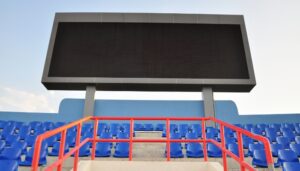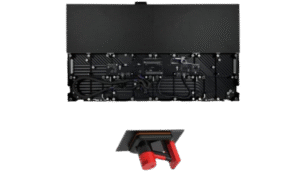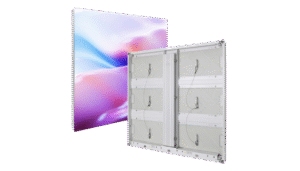
LED screens are considered the backbone of visual display in events, advertising, and modern institutions, but their true success heavily relies on the control and content management systems used with them. At LED SUN, we offer advanced control solutions that ensure synchronized display, high accuracy, and ease of management from anywhere.
1. Components of an LED Screen Control System
- Controller: The heart of the system, responsible for sending digital signals to the LED units and adjusting display synchronization and image quality. The most popular systems used are Novastar, Colorlight, and Linsn.
- Content Management System (CMS): Software that allows you to manage displayed content, schedule advertisements, control video and image playback, and manage live broadcasts.
- Input Interface: Includes HDMI, DVI, SDI, USB, and LAN ports, which allow receiving video and image content from various devices such as computers, cameras, and broadcasting equipment.
- Communication Network: Uses a LAN or fiber optic network to connect multiple screens in a central system, ensuring synchronized content display across large or distributed screens.
2. Advantages of Modern Control Systems
- High-Precision Synchronization: Real-time content updates without delay or interruption, ensuring smooth display even in high-definition video broadcasting (Full HD and 4K).
- Easy Remote Management: Via web applications or desktop software, you can control screen content, schedule presentations, and monitor system status from anywhere.
- Live Streaming Support: Direct connection with cameras or external video sources to display live events or interactive content.
- Multi-Screen Control: The ability to manage multiple screens or display units from a single control point, simplifying the operation of large exhibitions or multiple facilities.
3. Integration with Software Solutions
- Design and Editing Software: Allows you to create dynamic and engaging content that meets the requirements of LED screens, such as Adobe After Effects and Photoshop.
- Intelligent Scheduling Systems: Organize content precisely according to time, event, or even audience interaction.
- Performance Analytics: Some systems provide detailed reports on operating time, content errors, and advertising effectiveness.
4. Quality Standards for Control Systems
- Support for a screen refresh rate of ≥3840Hz to prevent flicker and ensure clear imaging.
- Very low latency for perfect synchronization with audio and video sources.
- Compatibility with modern television broadcasting standards.
- Data protection and network security to prevent hacking or content manipulation.
Why Choose LED SUN for LED Screen Control Systems?
- A specialized engineering team provides a comprehensive analysis of project requirements.
- Provision of integrated and compatible control solutions for various types of screens.
- Continuous technical support and guaranteed software and hardware updates.
- Customized training for the client’s team on managing and operating the systems with ease.
📞 Contact us now to get the best LED screen control systems that suit your project and ensure a seamless and impactful visual experience.