Illuminating the Urban Canvas: The Art and Engineering of Giant Screen and Lighting Installation
The modern cityscape is increasingly defined by its visual dynamism. Towering above buildings and illuminating public spaces, giant screens and sophisticated lighting systems have become integral to how we experience urban environments. Their installation is not merely a technical task; it’s a complex interplay of engineering precision, artistic vision, and logistical mastery.
More Than Just Big Displays:
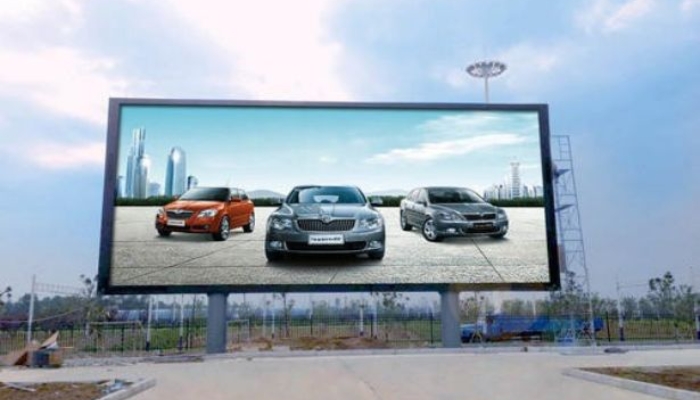
Giant screens, far beyond simple billboards, serve as powerful communication tools. They broadcast advertisements, display public information, enhance live events, and even contribute to the aesthetic appeal of a location. Similarly, architectural and ambient lighting transforms buildings and public spaces, creating atmosphere, highlighting features, and ensuring safety. The installation of these elements requires a meticulous approach, considering factors from structural integrity to visual impact.
The Engineering Backbone:
The process begins with a thorough site assessment. Engineers must analyze the structural capacity of the intended mounting location, whether it’s the side of a skyscraper, a stadium façade, or a purpose-built frame. Wind loads, seismic activity (in relevant regions), and the weight of the screen and its supporting structure are critical calculations. Sophisticated 3D modeling and simulation software are often employed to ensure stability and safety.
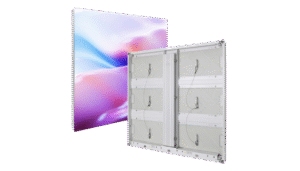
For giant screens, the installation itself involves heavy lifting equipment, often requiring specialized cranes and rigging teams. Modular screen panels are carefully hoisted and connected, ensuring seamless integration and precise alignment. Cabling for power and data transmission is a complex undertaking, demanding meticulous planning and execution to avoid interference and ensure reliable operation.
Lighting installations, while potentially less physically demanding in terms of sheer weight, require intricate electrical work and precise fixture placement to achieve the desired lighting effects. This can range from floodlighting entire buildings to installing dynamic color-changing LED systems that create captivating visual displays.
The Art of Illumination and Display:
Beyond the structural and electrical engineering, the aesthetic considerations are paramount. The placement and orientation of a giant screen must maximize visibility for the target audience while minimizing visual clutter for others. The content displayed needs to be considered in relation to its surroundings, ensuring it complements rather than clashes with the environment.
Similarly, lighting design is an art form. Architects and lighting designers collaborate to create schemes that enhance the architectural features of a building, create inviting public spaces, and evoke specific moods. Factors such as color temperature, light intensity, and beam angles are carefully considered to achieve the desired visual impact.
Logistical Challenges and Solutions:
Installing giant screens and complex lighting systems in often busy urban environments presents significant logistical challenges. Road closures, pedestrian management, and coordination with local authorities are essential. Project timelines must be carefully managed to minimize disruption.
Innovative solutions are often employed to overcome these hurdles. Modular construction allows for faster assembly, and advanced lifting techniques can reduce the need for extensive ground-level disruption. Careful planning and communication with all stakeholders are crucial for a smooth and efficient installation process.