LED display screens are among the most effective and captivating means of showcasing content in various fields, but choosing the right type of screen largely depends on the usage environment and technical requirements. In this article, we review the fundamental technical differences between indoor and outdoor LED screens and explain how LED SUN can assist you in selecting the optimal solution.
1. The Fundamental Difference in Design Between Indor and Outdoor
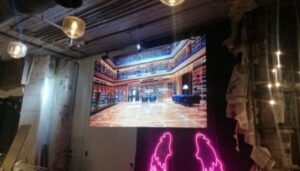
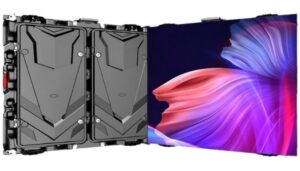
- Indoor Screens: Used in enclosed spaces such as conference halls, stores, and theaters. They feature a small “pixel pitch,” meaning the distance between LED units is very close (starting from 0.9 mm), allowing for very high image resolution and clear viewing from short distances.
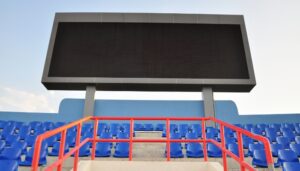
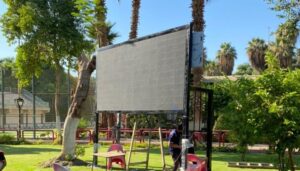
- Outdoor Screens: Designed to withstand harsh outdoor conditions such as direct sunlight, humidity, and dust. They have larger pixel pitches (typically starting from 3 mm up to 16 mm) to suit viewing from long distances, with protective layers resistant to water and dust (IP65 and higher).
2. Brightness in Indoor And Outdoor
- Indoor: Typical brightness ranges from 800 to 1500 nits, suitable for indoor lighting that is low to medium.
- Outdoor: High brightness reaches up to 10,000 nits or more, ensuring image clarity even in direct sunlight.
3. Resistance to External Factors
- Indoor: Does not require high water or dust resistance, but needs an effective cooling system to maintain performance within an enclosed environment.
- Outdoor: Outdoor LED screens are equipped with high protection against water (IP65-67), dust resistance, and thermal cooling systems to ensure continuous operation under varying temperatures.
4. Refresh Rate Between Indoor And Outdoor
- Indoor screens usually have higher refresh rates (up to 3840 Hz) to reduce flicker, especially in photography and television broadcasting.
- Outdoor screens come with a relatively lower refresh rate but enhanced with digital processing to reduce noise.
5. Typical Uses
How LED SUN Helps You Choose the Right Screen
- Precise assessment of the usage environment and technical requirements.
- Providing customized solutions with the latest SMD and Micro LED technologies according to project needs.
- Professional installation with guaranteed sustainable performance in various operating conditions.
- Continuous technical support and easy-to-use content management software.
In conclusion, choosing the optimal screen is key to the success of any visual display project. Don’t let conditions dictate your choices; let LED SUN experts help you achieve the best performance with unparalleled quality.
📞 Contact us today to design your display solutions with high technical precision and complete professionalism.